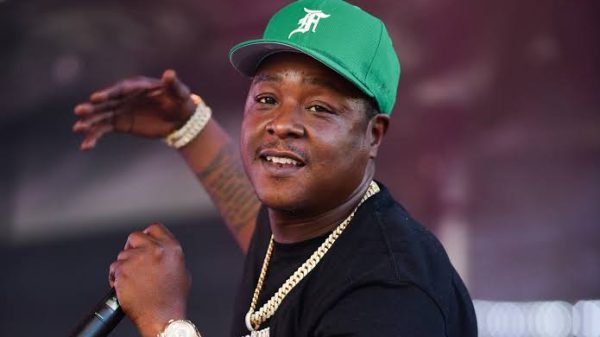








In a recent revelation that sent shockwaves through the hip-hop community, Fat Joe, the legendary rapper, opened up about the authenticity of his lyrics. During a candid conversation on CNN King Charles with Gayle King and Charles Barkley, the Bronx-bred artist dropped a bombshell, admitting that a staggering 95% of his songs contain fabricated narratives.
For years, Fat Joe has been a lyrical force in the industry, crafting tales of street life, struggle, and triumph. However, the rapper confessed, “I’ve lied in almost 95 percent of my songs. I’m being honest. I’m just being creative. You couldn’t build a jail high enough for the lyrics I’ve said on songs, which are all untrue.”
The confession wasn’t a mere revelation of personal guilt; it was a powerful statement in the context of the YSL Rico case, where lyrics are being used as evidence. Fat Joe asserted that his admission was a stand in defense of young individuals facing legal consequences for their lyrical expressions. “I had to say 95% of what I say is a lie so that they could understand that it’s unfair to try some kids for the rest of their life with shit they might have not done,” he explained during an Instagram Live session.
Contrary to the vivid tales spun in his songs, Fat Joe emphasized his role as a family man and a community supporter. “What I am is a family man, the person who gives back to my community all the time, opens businesses in my community,” he stated.
The rapper’s confession sparks a conversation about the thin line between artistic expression and legal implications, prompting a reevaluation of how lyrics are interpreted and used in the criminal justice system. Fat Joe’s bold stance challenges the conventional norms of hip-hop storytelling, inviting artists and fans alike to ponder the impact of their words beyond the beats and rhymes.