







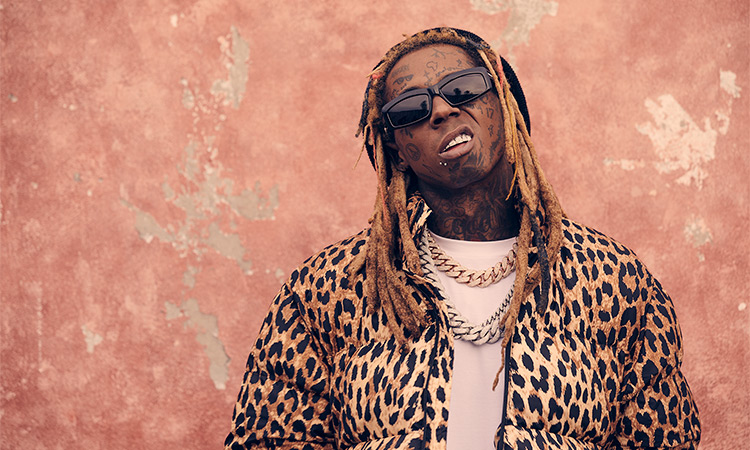
Lil Wayne recently sparked conversation across the hip-hop world after publicly expressing frustration about being overlooked by major platforms like the Coachella and the Grammy Awards. While fans rallied behind the rap icon, not everyone in the industry is offering sympathy.
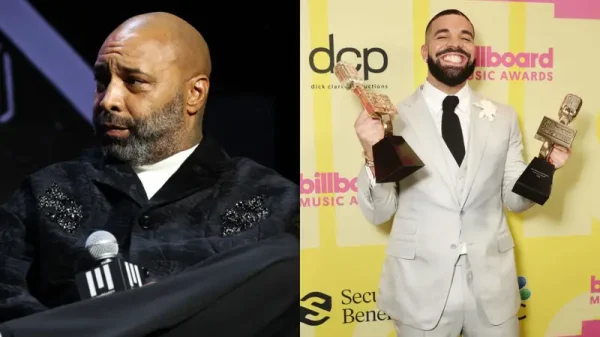
During a recent episode of Apple Music’s Rap Life Review, media personality Ebro Darden weighed in on Wayne’s comments—and his take was far from supportive.
Wayne, the legendary New Orleans MC, shared his disappointment in a candid tweet, writing that it’s “humbling” to consistently be “uninvited & uninvolved” when major cultural events roll around. Despite his iconic status, he suggested that he’s often left out of spaces where his influence should arguably be recognized.
However, Ebro challenged that perspective, suggesting the issue may not be about legacy, but relevance. According to him, major stages like Coachella tend to prioritize artists who are actively creating “new moments,” implying that Wayne’s recent output and visibility may not match the energy of today’s headliners.
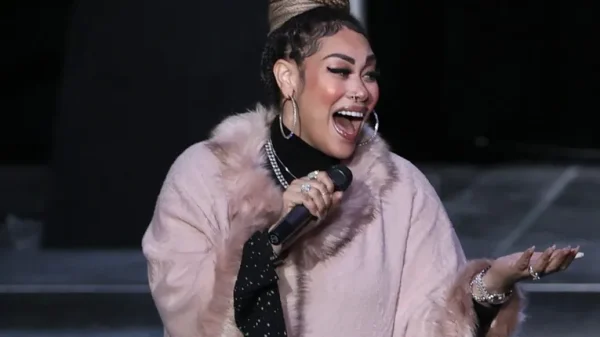
Fellow panelist Nadeska Alexis also questioned how difficult it would truly be for someone of Wayne’s stature to secure a Coachella slot, while Low pointed to inconsistent performances and backstage behavior as possible factors.
Still, Ebro acknowledged Wayne’s legendary run, noting that his comments might stem from a competitive mindset. As one of hip-hop’s most influential figures, Wayne is now reflecting on the milestones he hasn’t achieved—despite conquering so many others.
There’s no denying Lil Wayne’s legacy. With five Grammy wins out of 26 nominations—including Best Rap Album for Tha Carter III—his impact on the genre is cemented. But in today’s fast-moving music landscape, legacy alone doesn’t always guarantee a spot on the biggest stages.
The debate raises a bigger question: in hip-hop, is greatness enough—or does staying visible matter just as much?