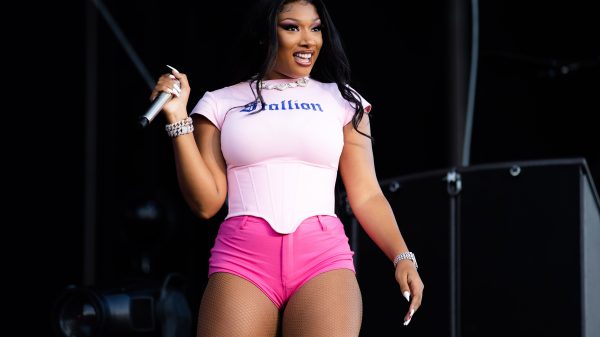




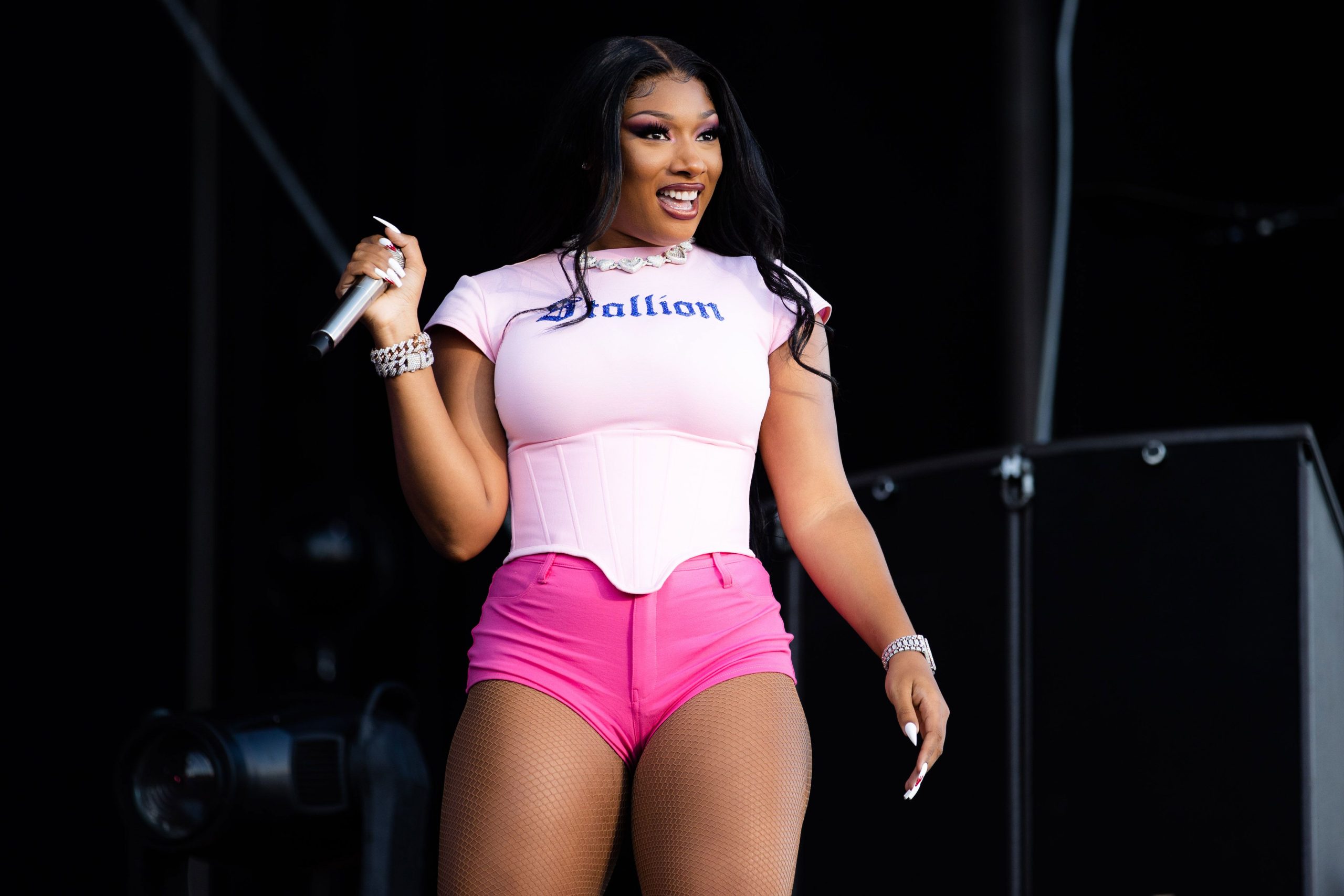
Megan Thee Stallion remains firmly in the spotlight, not only for her chart-topping music and commanding performances, but also for the high-profile legal battles unfolding alongside her career. The Grammy-winning rapper continues to navigate complex court proceedings while maintaining her influence as one of today’s most prominent cultural figures.
In her ongoing case against Milagro Gramz, Megan’s legal team has ramped up efforts to reinstate a critical ruling that was partially overturned last month. Gramz was previously found liable for defamation, intentional infliction of emotional distress, and the unlawful distribution of altered sexual images involving Megan. However, U.S. District Judge Cecilia M. Altonaga later reversed the defamation finding, prompting a swift response from Megan’s attorneys.
According to AllHipHop, Megan is now represented by Clare Locke LLP, which has formally asked the court for permission to present additional arguments. The firm contends that Florida’s retraction statute should not apply in this case, noting that Gramz identified herself as an “entertainer,” not a journalist, during testimony. Megan’s team argues this distinction undermines any claim of journalistic neutrality or protection under the statute.
The legal filing also raises broader concerns, suggesting that applying the retraction statute here could set a troubling precedent. Megan’s attorneys argue it could force defamation victims to endure further public exposure and scrutiny before being allowed to seek justice—potentially discouraging others from coming forward.
At the same time, Megan is dealing with a separate legal development involving Tory Lanez. The rapper, who was convicted in 2022 for shooting Megan and sentenced to ten years in prison, has announced plans to appeal his conviction. In a recent interview with NBC News, Lanez claimed he was wrongfully convicted and pointed to what he described as newly emerging evidence.
Despite the ongoing legal challenges on multiple fronts, Megan Thee Stallion continues to stand firm, using both the courtroom and the stage as platforms for her voice. Her persistence underscores the intersection of artistry, advocacy, and accountability—further cementing her role as a powerful presence in music and in broader cultural conversations.